Team rituals and culture
Project
Company
Freenow
Year
2024
Role
Director, User Experience
Team
Marian Wagner — Design Lead
Fernanda Marques — Design Lead
Nadine Piecha — Head of UX Research
The context
I like to think of culture as something that reflects how you actually operate and work day to day, your practices, and how you assign the meaning and intention behind them.
Your team rituals and leadership style are your team’s culture. Do that well and you’re very well set for success.
In the following article I’m not looking to describe how each Designer from the team should work, since we have a very basic set expectation of that process looks like and I’ll be sharing more of that soon. So, consider this a deeper dive into our day-to-day: meeting cadences, rituals, and anything else that helps our design team stay connected and efficient and set the Culture for the team.
By no means this is meant to be a process that works perfectly. We are constantly looking to try out new things and ditch what doesn’t work for us.
Before I go into the different rituals we’ve set up for our team, I’d like to point out that this process is by no means unique in the industry. It’s a combination of widespread rituals and processes that I’ve seen work first hand in other companies I worked for and also it’s inspired by other big tech companies sharing about how they work publicly.
I believe a design team (or any team really) with good culture excels at all the following. Although this piece is focusing on Design Rituals only.
01
Design rituals
02
Receiving & providing feedback
03
Celebrating success
04
Leading by example
Goals
01
Creating community
02
Celebrating success
03
Increasing team efficiency
04
Elevating design & research quality
05
Enabling career growth
To be able to accomplish the goals above, we decided to put in place two types of rituals for the Freenow design team.
Team culture and syncs
- Domain weekly syncs
- Retrospectives
- Monthly All hands
- Annual Gathering
Upskillings
- Design critiques
- Co-creation sessions
- Knowledge sharing
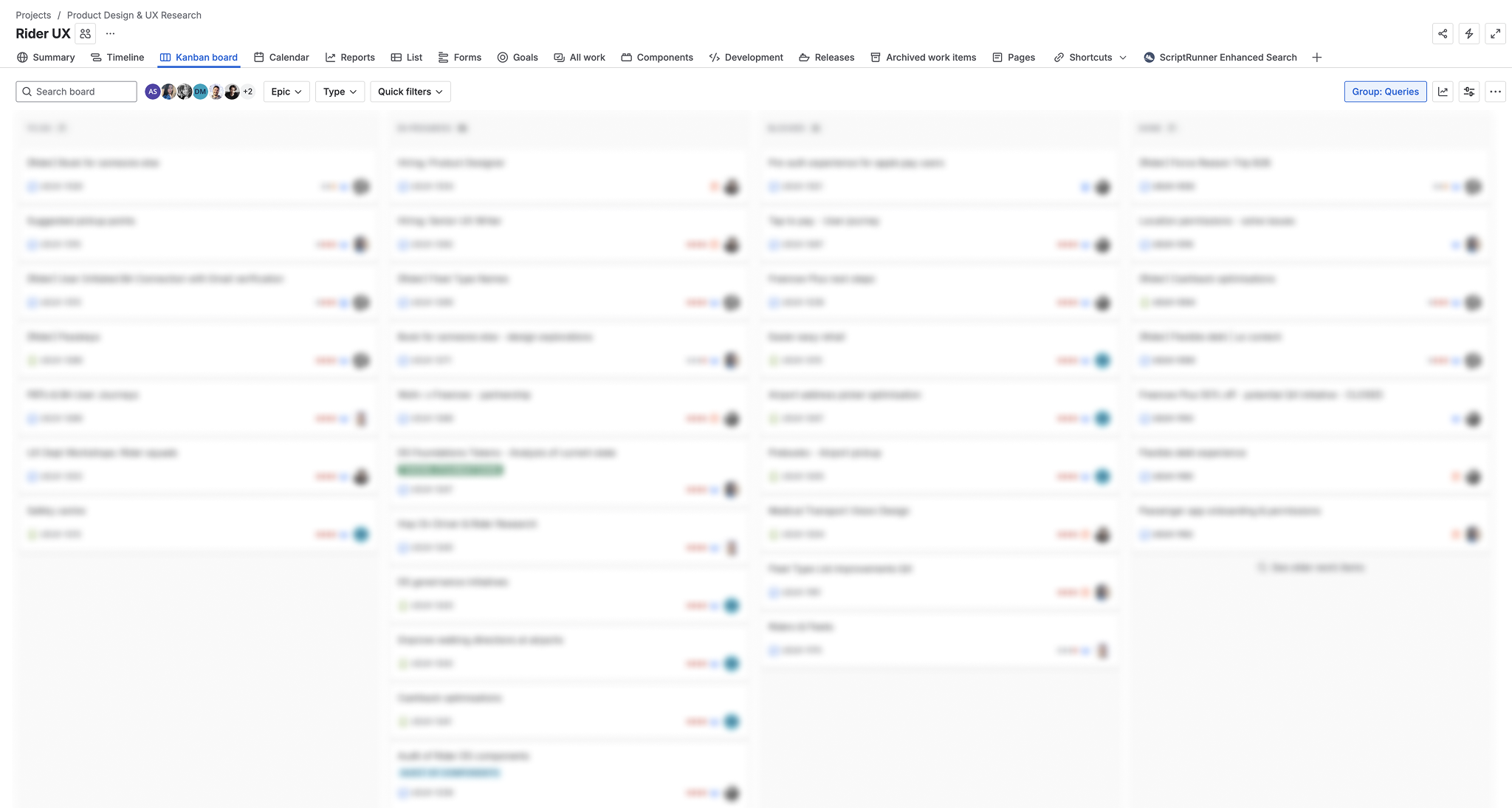
Domain weekly syncs
Who: Product Design, UX Research, UX Writing
What: Meeting to create alignment between members of a specific domain or discipline. i.e. Rider, Driver, UX Research
When: Every Monday morning (45’ per domain)
Why: To create regular space for team discussion
During these meetings we aim to:
- Improve visibility & alignment across teams
- Share company and leadership updates
- Request support or raise concerns
- Encourage closer team collaboration
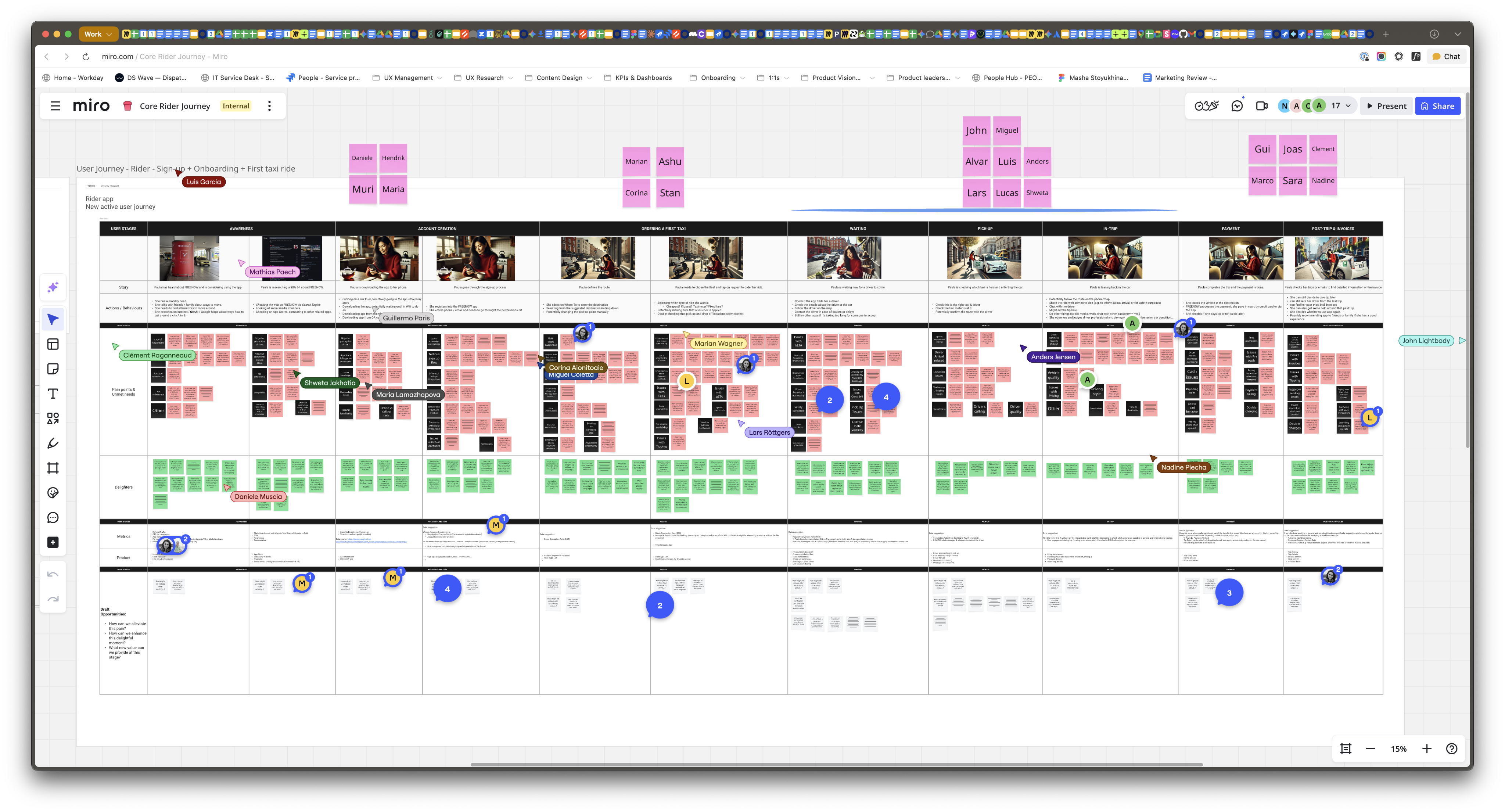
Co-creation sessions
During these meetings we aim to:
- Go through problems together
- Sketch new ideas and/or refine explorations
- Gain confidence on the way forward
- Who: Product Design, UX Research, UX Writing
- What: A collaborative, hands-on space to ideate and explore different solution approaches with fellow colleagues (skipped if no topics come up)
- When: Every Tuesday morning (60’)
- Why: To create regular space for team collaboration
Design Critique
During these meetings we aim to:
- Unblock & generate ideas
- Elevate design quality
- Encourage consistency
- Share context
- Who: Product Design, UX Research, UX Writing, other relevant functions
- What: A safe space to get design feedback, independent from roadmap decision-making and free from stress and job hierarchies. We define the agenda on Mondays’ domain syncs.
- When: Every Thursday morning (60’)
- Why: To create regular space for team collaboration

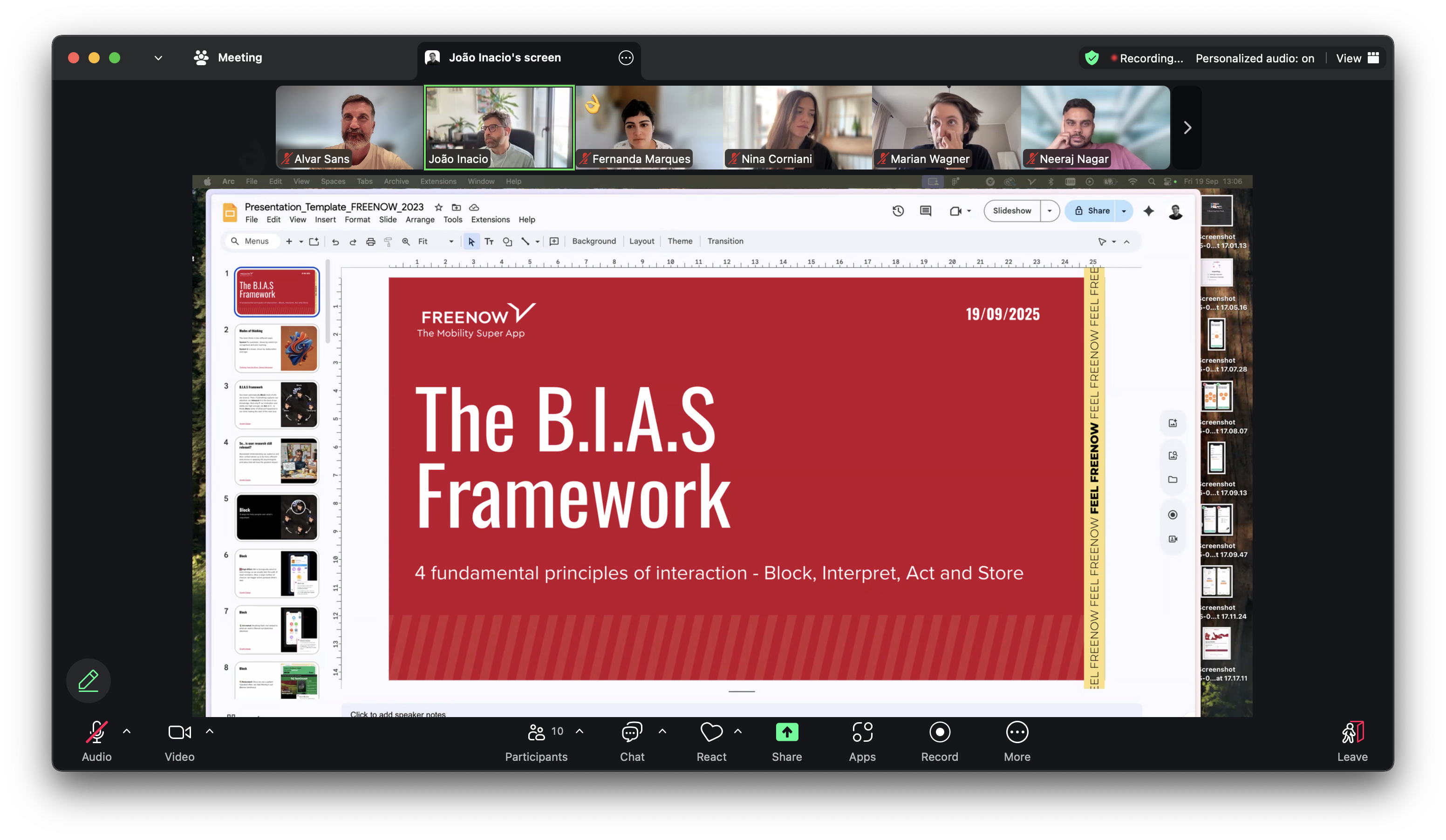
Knowledge sharing sessions
During these meetings we aim to:
- Learn (weekly!)
- Have a good time together
- Who: Product Design, UX Research, UX Writing
- What: A safe space to get together as Product Designers to share tips, tools, articles, trends or anything else we’ve learnt about Design and AI.
- When: Every Thursday morning (60’)
- Why: we want to enable formal spaces to share knowledge inforrmally. Any topics are welcome and no preparation is needed. We have shared all sorts of knowledge: from a small plug-in someone tried, to trying out Cursor, to any personal time management technique.
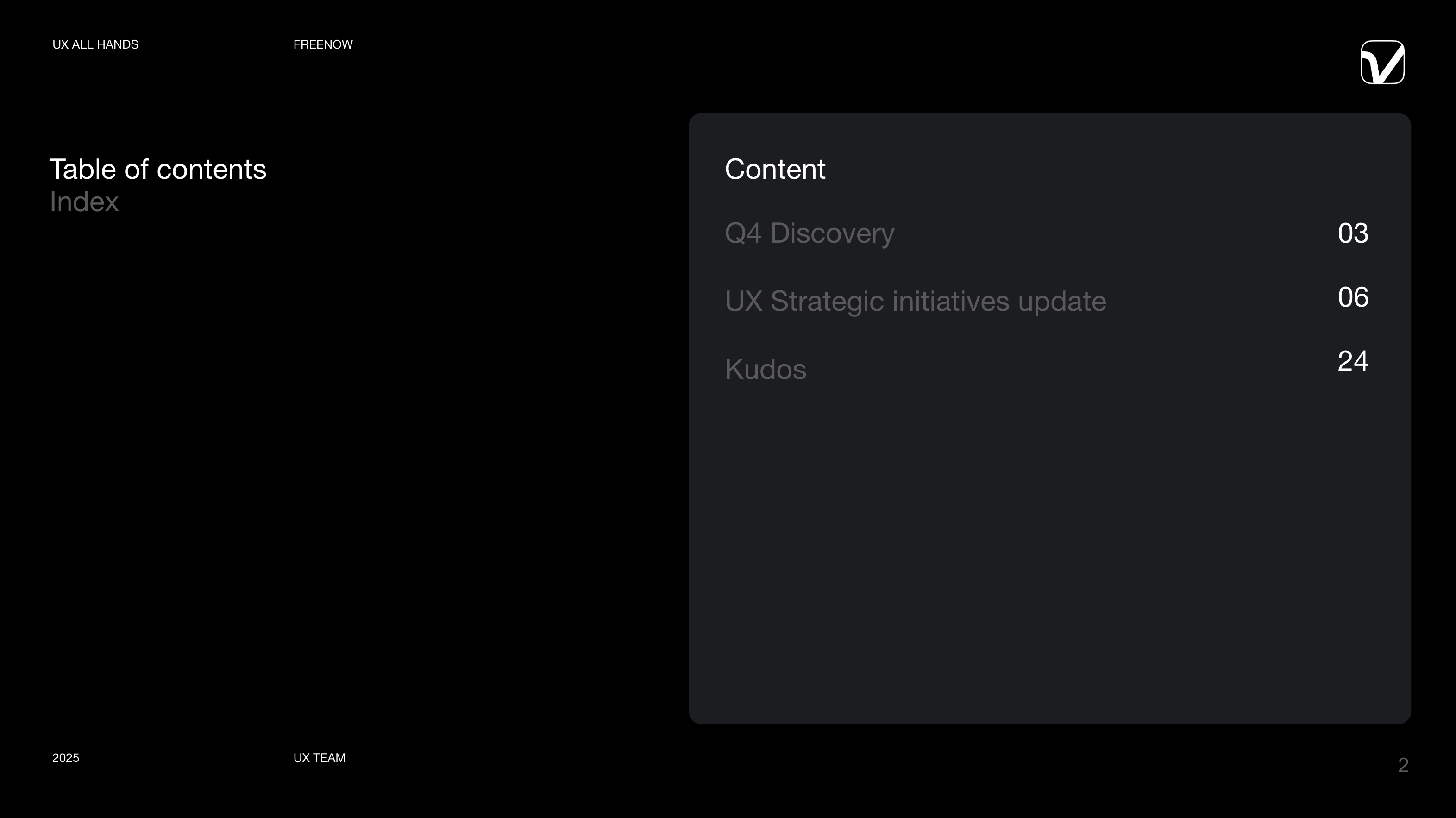
Monthly All hands
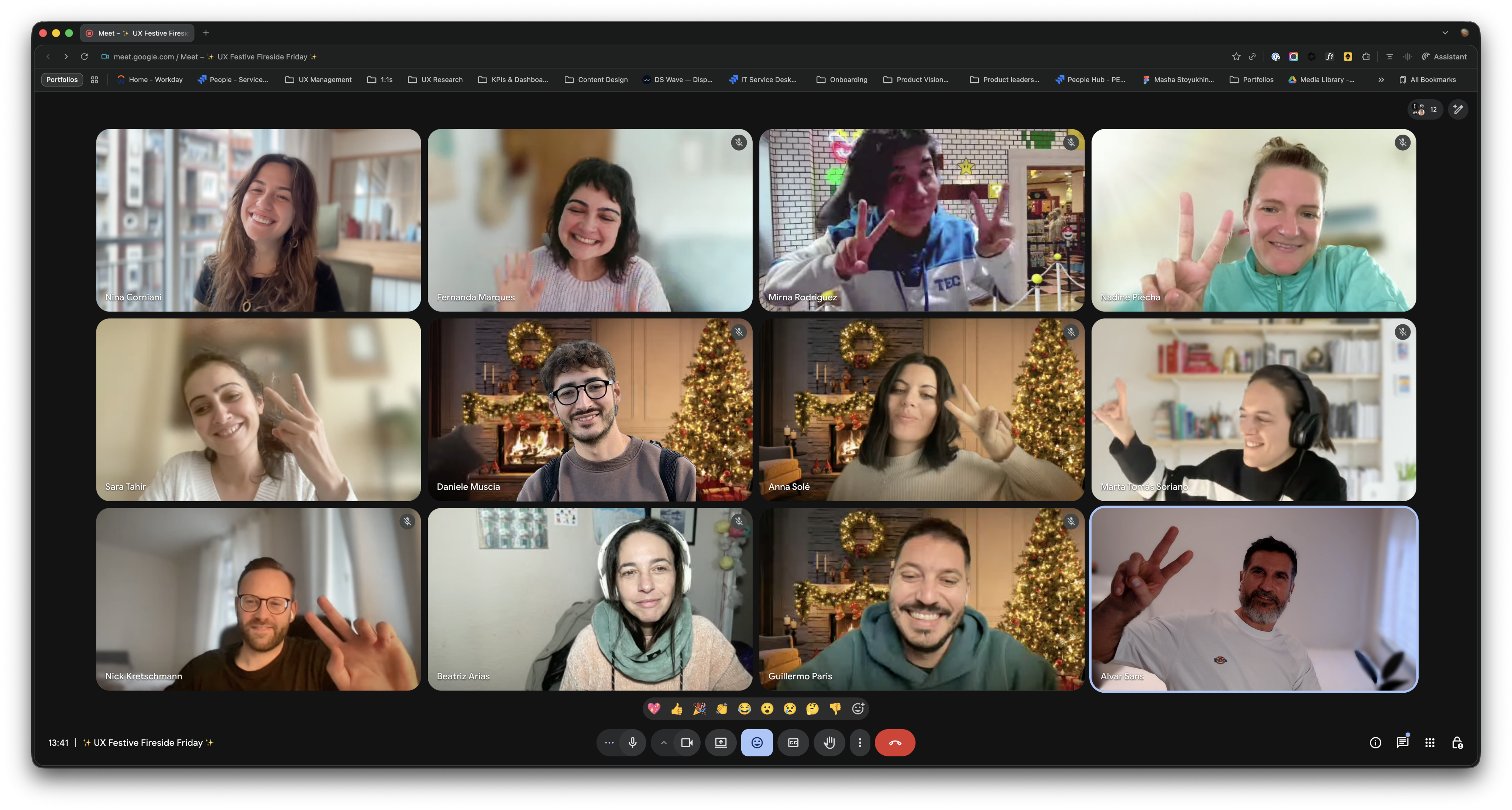
We meet every month to
- Share big team updates
- Discuss company strategy
- Show&Tell projects
- Celebrate success
- Give Kudos
- Who: Product Design, UX Research, UX Writing
- When: Every last Friday of the month (60’)

Annual Gathering
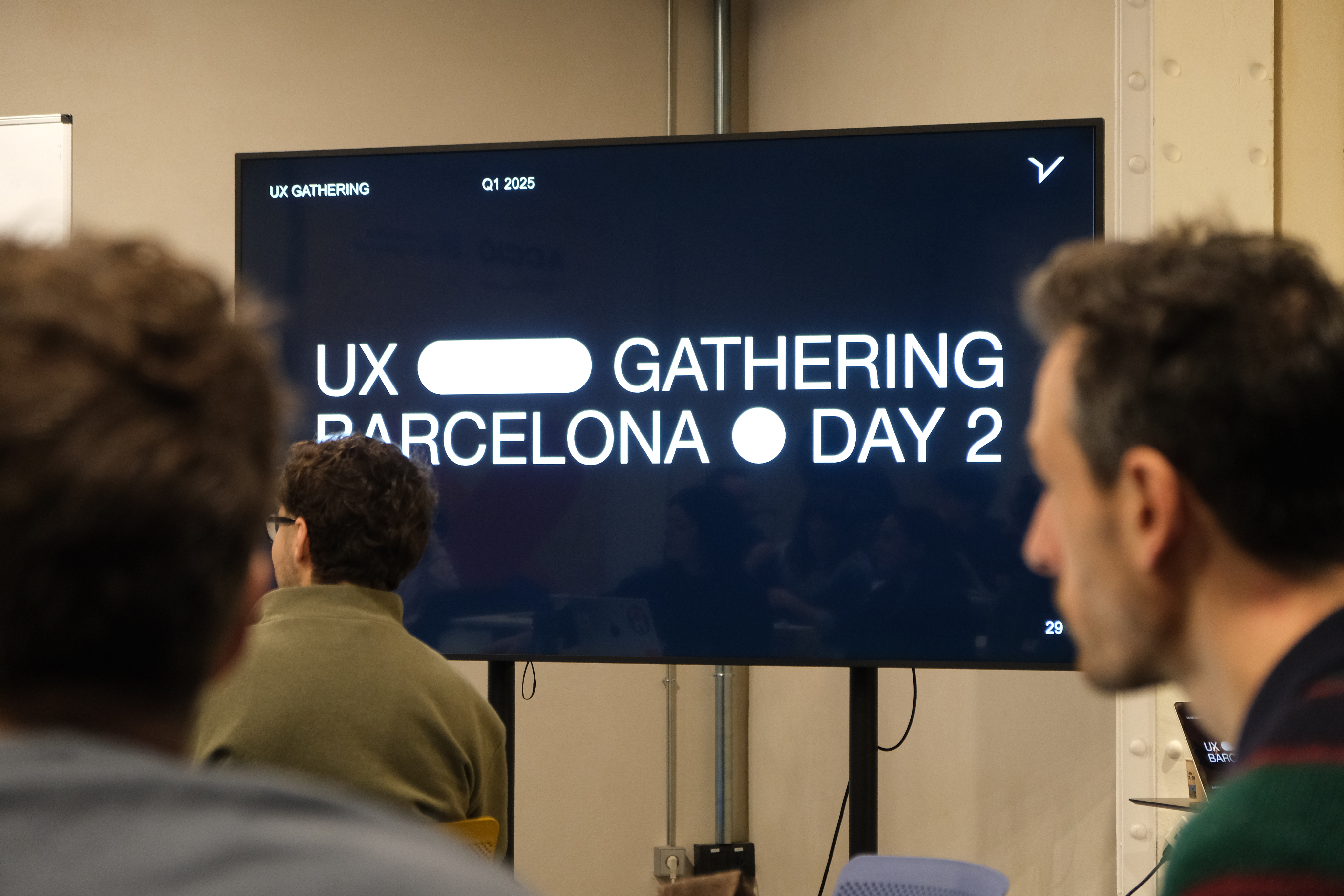
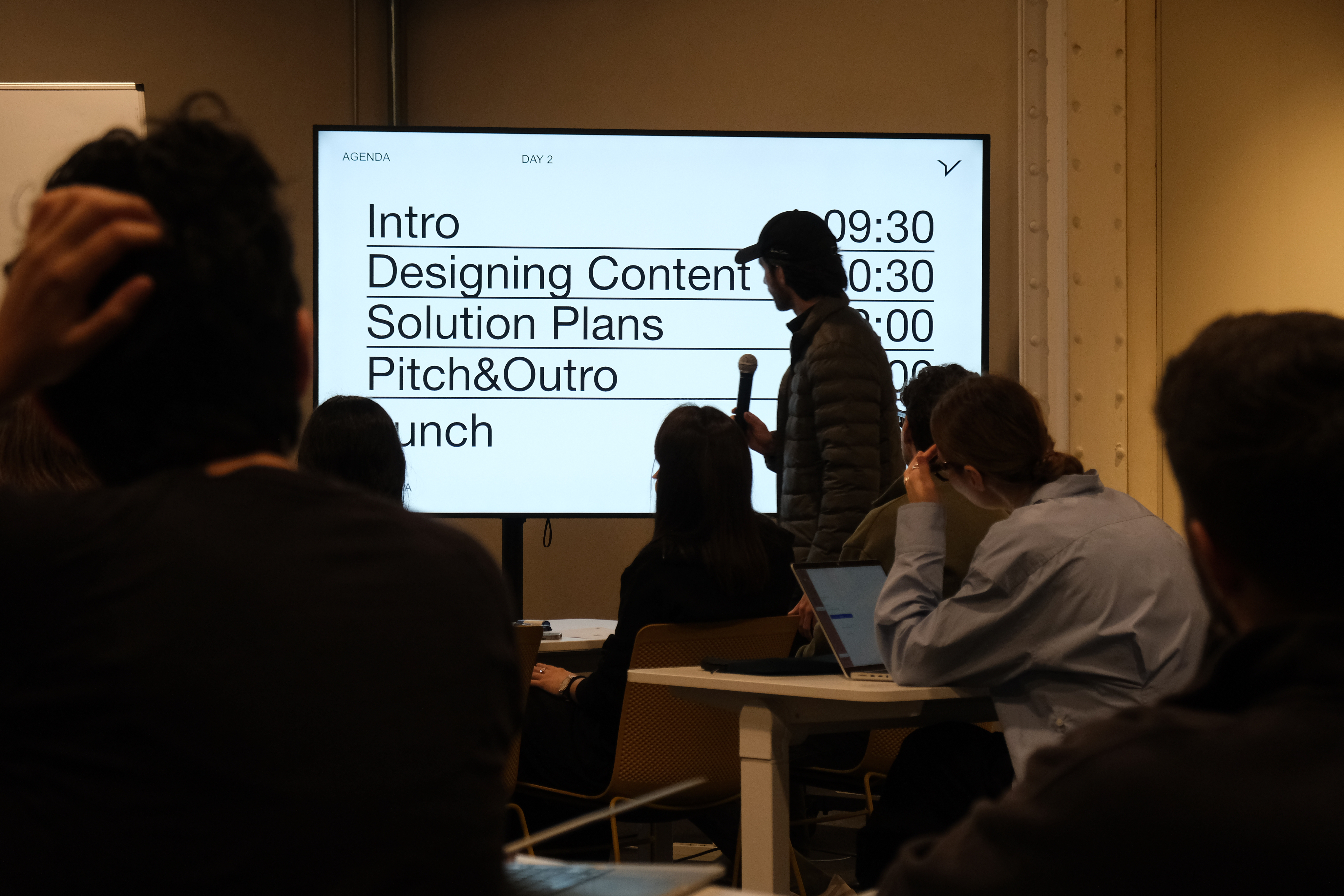
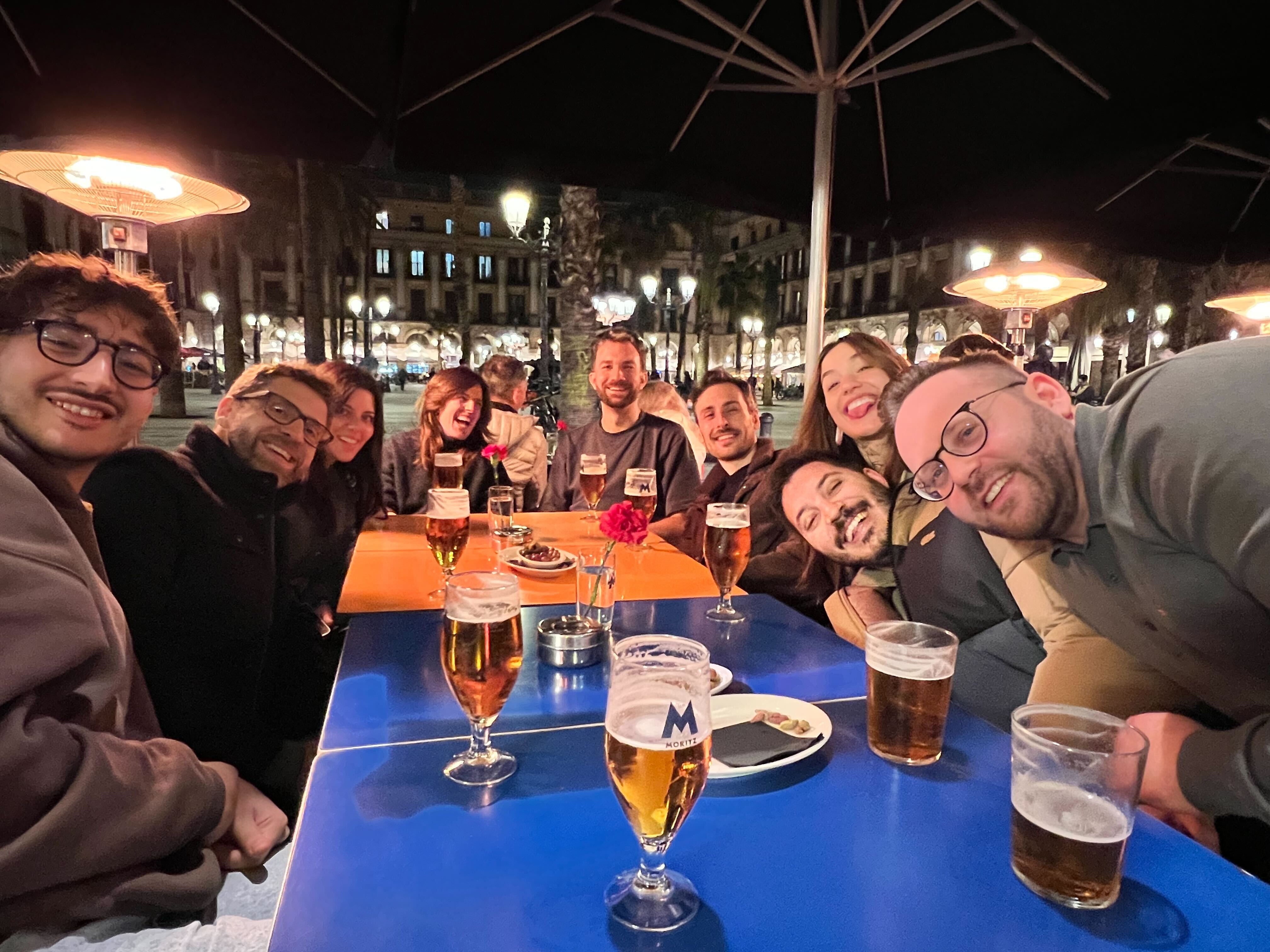
We come together once a year and wrap-up a couple of days full of activities. In a remote or hybrid set-up in-person team time is extremely important to connect beyond our daily work priorities. We have a fairly distributed team through Europe so this is a key pillar for us.
In my first year edition the theme was on Accessibility and defining our UX team strategy. For year 2 we’re planning it around AI and breaking silos.

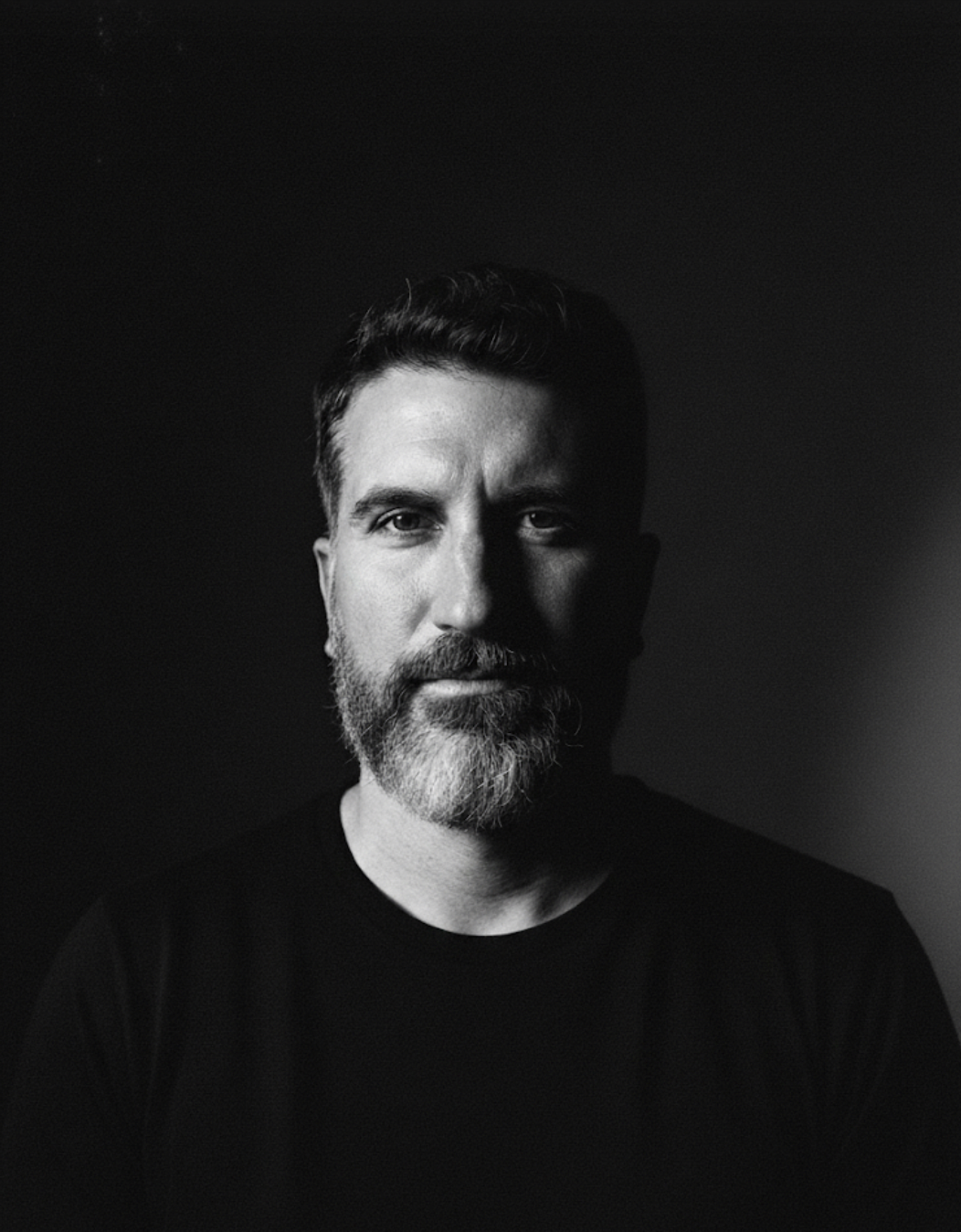
Àlvar Sans
Hands-on design leader
Team rituals and culture
Project
Company
Freenow
Year
2024
Role
Director, User Experience
Team
Marian Wagner — Design Lead
Fernanda Marques — Design Lead
Nadine Piecha — Head of UX Research
The context
I like to think of culture as something that reflects how you actually operate and work day to day, your practices, and how you assign the meaning and intention behind them.
Your team rituals and leadership style are your team’s culture. Do that well and you’re very well set for success.
In the following article I’m not looking to describe how each Designer from the team should work, since we have a very basic set expectation of that process looks like and I’ll be sharing more of that soon. So, consider this a deeper dive into our day-to-day: meeting cadences, rituals, and anything else that helps our design team stay connected and efficient and set the Culture for the team.
By no means this is meant to be a process that works perfectly. We are constantly looking to try out new things and ditch what doesn’t work for us.
Before I go into the different rituals we’ve set up for our team, I’d like to point out that this process is by no means unique in the industry. It’s a combination of widespread rituals and processes that I’ve seen work first hand in other companies I worked for and also it’s inspired by other big tech companies sharing about how they work publicly.
I believe a design team (or any team really) with good culture excels at all the following. Although this piece is focusing on Design Rituals only.
01
Design rituals
02
Receiving & providing feedback
03
Celebrating success
04
Leading by example
Goals
01
Creating community
02
Celebrating success
03
Increasing team efficiency
04
Elevating design & research quality
05
Enabling career growth
To be able to accomplish the goals above, we decided to put in place two types of rituals for the Freenow design team.
Team culture and syncs
- Domain weekly syncs
- Retrospectives
- Monthly All hands
- Annual Gathering
Upskillings
- Design critiques
- Co-creation sessions
- Knowledge sharing
Domain weekly syncs
Who: Product Design, UX Research, UX Writing
What: Meeting to create alignment between members of a specific domain or discipline. i.e. Rider, Driver, UX Research
When: Every Monday morning (45’ per domain)
Why: To create regular space for team discussion
During these meetings we aim to:
- Improve visibility & alignment across teams
- Share company and leadership updates
- Request support or raise concerns
- Encourage closer team collaboration
Co-creation sessions
During these meetings we aim to:
- Go through problems together
- Sketch new ideas and/or refine explorations
- Gain confidence on the way forward
- Who: Product Design, UX Research, UX Writing
- What: A collaborative, hands-on space to ideate and explore different solution approaches with fellow colleagues (skipped if no topics come up)
- When: Every Tuesday morning (60’)
- Why: To create regular space for team collaboration
Design Critique
During these meetings we aim to:
- Unblock & generate ideas
- Elevate design quality
- Encourage consistency
- Share context
- Who: Product Design, UX Research, UX Writing, other relevant functions
- What: A safe space to get design feedback, independent from roadmap decision-making and free from stress and job hierarchies. We define the agenda on Mondays’ domain syncs.
- When: Every Thursday morning (60’)
- Why: To create regular space for team collaboration
Knowledge sharing sessions
During these meetings we aim to:
- Learn (weekly!)
- Have a good time together
- Who: Product Design, UX Research, UX Writing
- What: A safe space to get together as Product Designers to share tips, tools, articles, trends or anything else we’ve learnt about Design and AI.
- When: Every Thursday morning (60’)
- Why: we want to enable formal spaces to share knowledge inforrmally. Any topics are welcome and no preparation is needed. We have shared all sorts of knowledge: from a small plug-in someone tried, to trying out Cursor, to any personal time management technique.
Monthly All hands
Who: Product Design, UX Research, UX Writing
When: Every last Friday of the month (60’)
Annual Gathering
We come together once a year and wrap-up a couple of days full of activities. In a remote or hybrid set-up in-person team time is extremely important to connect beyond our daily work priorities. We have a fairly distributed team through Europe so this is a key pillar for us.
In my first year edition the theme was on Accessibility and defining our UX team strategy. For year 2 we’re planning it around AI and breaking silos.
Àlvar Sans
alvar.sans.pola@gmail.com
Team rituals and culture
Project
Company
Freenow
Year
2024
Role
Director, User Experience
Team
Marian Wagner — Design Lead
Fernanda Marques — Design Lead
Nadine Piecha — Head of UX Research
The context
I like to think of culture as something that reflects how you actually operate and work day to day, your practices, and how you assign the meaning and intention behind them.
Your team rituals and leadership style are your team’s culture. Do that well and you’re very well set for success.
In the following article I’m not looking to describe how each Designer from the team should work, since we have a very basic set expectation of that process looks like and I’ll be sharing more of that soon. So, consider this a deeper dive into our day-to-day: meeting cadences, rituals, and anything else that helps our design team stay connected and efficient and set the Culture for the team.
By no means this is meant to be a process that works perfectly. We are constantly looking to try out new things and ditch what doesn’t work for us.
Before I go into the different rituals we’ve set up for our team, I’d like to point out that this process is by no means unique in the industry. It’s a combination of widespread rituals and processes that I’ve seen work first hand in other companies I worked for and also it’s inspired by other big tech companies sharing about how they work publicly.
I believe a design team (or any team really) with good culture excels at all the following. Although this piece is focusing on Design Rituals only.
01
Design rituals
02
Receiving & providing feedback
03
Celebrating success
04
Leading by example
Goals
01
Creating community
02
Celebrating success
03
Increasing team efficiency
04
Elevating design & research quality
05
Enabling career growth
To be able to accomplish the goals above, we decided to put in place two types of rituals for the Freenow design team.
Team culture and syncs
- Domain weekly syncs
- Retrospectives
- Monthly All hands
- Annual Gathering
Upskillings
- Design critiques
- Co-creation sessions
- Knowledge sharing
Domain weekly syncs
Who: Product Design, UX Research, UX Writing
What: Meeting to create alignment between members of a specific domain or discipline. i.e. Rider, Driver, UX Research
When: Every Monday morning (45’ per domain)
Why: To create regular space for team discussion
During these meetings we aim to:
- Improve visibility & alignment across teams
- Share company and leadership updates
- Request support or raise concerns
- Encourage closer team collaboration
Co-creation sessions
During these meetings we aim to:
- Go through problems together
- Sketch new ideas and/or refine explorations
- Gain confidence on the way forward
- Who: Product Design, UX Research, UX Writing
- What: A collaborative, hands-on space to ideate and explore different solution approaches with fellow colleagues (skipped if no topics come up)
- When: Every Tuesday morning (60’)
- Why: To create regular space for team collaboration
Design Critique
During these meetings we aim to:
- Unblock & generate ideas
- Elevate design quality
- Encourage consistency
- Share context
- Who: Product Design, UX Research, UX Writing, other relevant functions
- What: A safe space to get design feedback, independent from roadmap decision-making and free from stress and job hierarchies. We define the agenda on Mondays’ domain syncs.
- When: Every Thursday morning (60’)
- Why: To create regular space for team collaboration
Knowledge sharing sessions
During these meetings we aim to:
- Learn (weekly!)
- Have a good time together
- Who: Product Design, UX Research, UX Writing
- What: A safe space to get together as Product Designers to share tips, tools, articles, trends or anything else we’ve learnt about Design and AI.
- When: Every Thursday morning (60’)
- Why: we want to enable formal spaces to share knowledge inforrmally. Any topics are welcome and no preparation is needed. We have shared all sorts of knowledge: from a small plug-in someone tried, to trying out Cursor, to any personal time management technique.
Monthly All hands
We meet every month to
- Share big team updates
- Discuss company strategy
- Show&Tell projects
- Celebrate success
- Give Kudos
Who: Product Design, UX Research, UX Writing
When: Every last Friday of the month (60’)
Annual Gathering
We come together once a year and wrap-up a couple of days full of activities. In a remote or hybrid set-up in-person team time is extremely important to connect beyond our daily work priorities. We have a fairly distributed team through Europe so this is a key pillar for us.
In my first year edition the theme was on Accessibility and defining our UX team strategy. For year 2 we’re planning it around AI and breaking silos.
Àlvar Sans
alvar.sans.pola@gmail.com
alvar.sans.pola@gmail.com